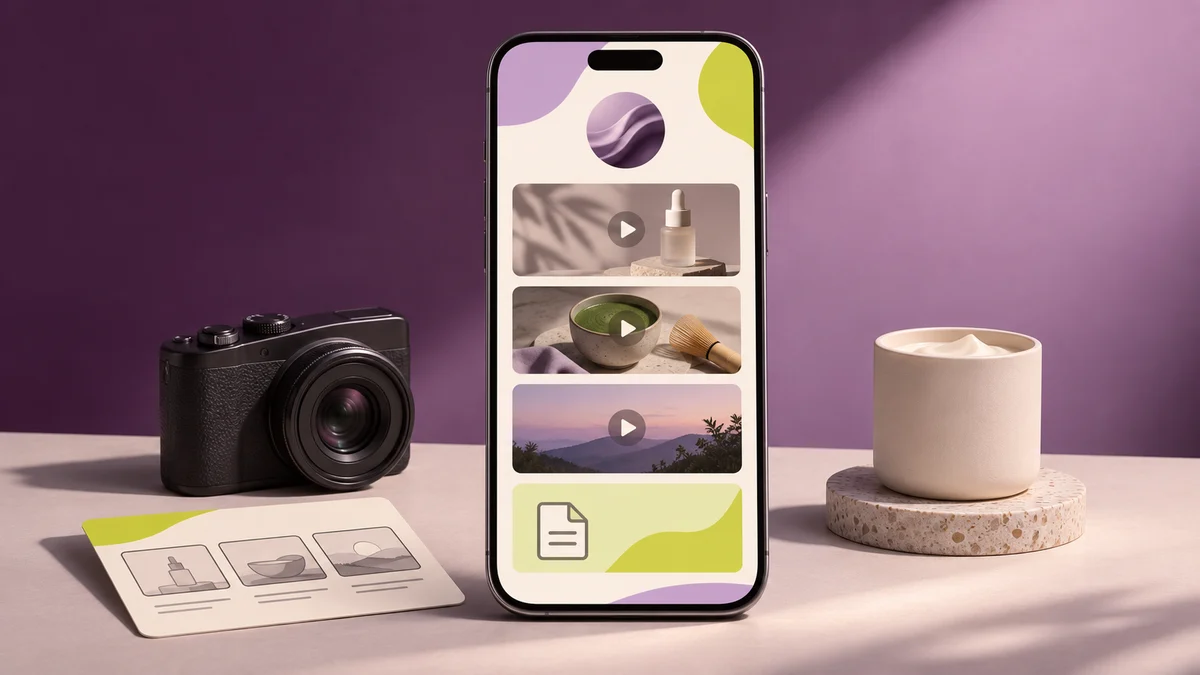
Link in Bio for UGC Creators: Portfolio, Briefs, and Brand Inquiries
A link in bio for UGC creators should help a brand answer four questions quickly: What do you make, is your work relevant to this brief, what information do you need, and how should the team contact you? Put selected work before a long list of social profiles, and give partnership visitors one clear route to a current media kit or inquiry form.
That does not mean publishing every rate, client message, or raw file. A useful page is a public routing layer: it shows enough evidence to qualify interest, then sends serious inquiries to the document, form, calendar, or email process you already maintain.
The practical goal is not “more links.” It is a shorter review path from a brand manager opening your profile to viewing the right samples and sending a usable brief.
Build the page around a brand reviewer’s four questions
Followers and potential clients arrive with different jobs. A follower may want the product in your latest post. A brand reviewer may be comparing several creators against a campaign brief. One page can serve both groups if the routes are labelled clearly instead of mixed into a single undifferentiated stack.
Give the brand route a visible label such as “UGC portfolio and partnerships.” It should lead to a compact sequence:
- a one-sentence description of your work;
- three to six relevant samples;
- the formats or categories you currently accept;
- a current media kit or service document; and
- one inquiry destination.
Keep the audience route separate: the product, video, newsletter, shop, or other destination promised by your current content. Do not make followers work through a business pitch, and do not make a brand reviewer inspect every audience link to find collaboration information.
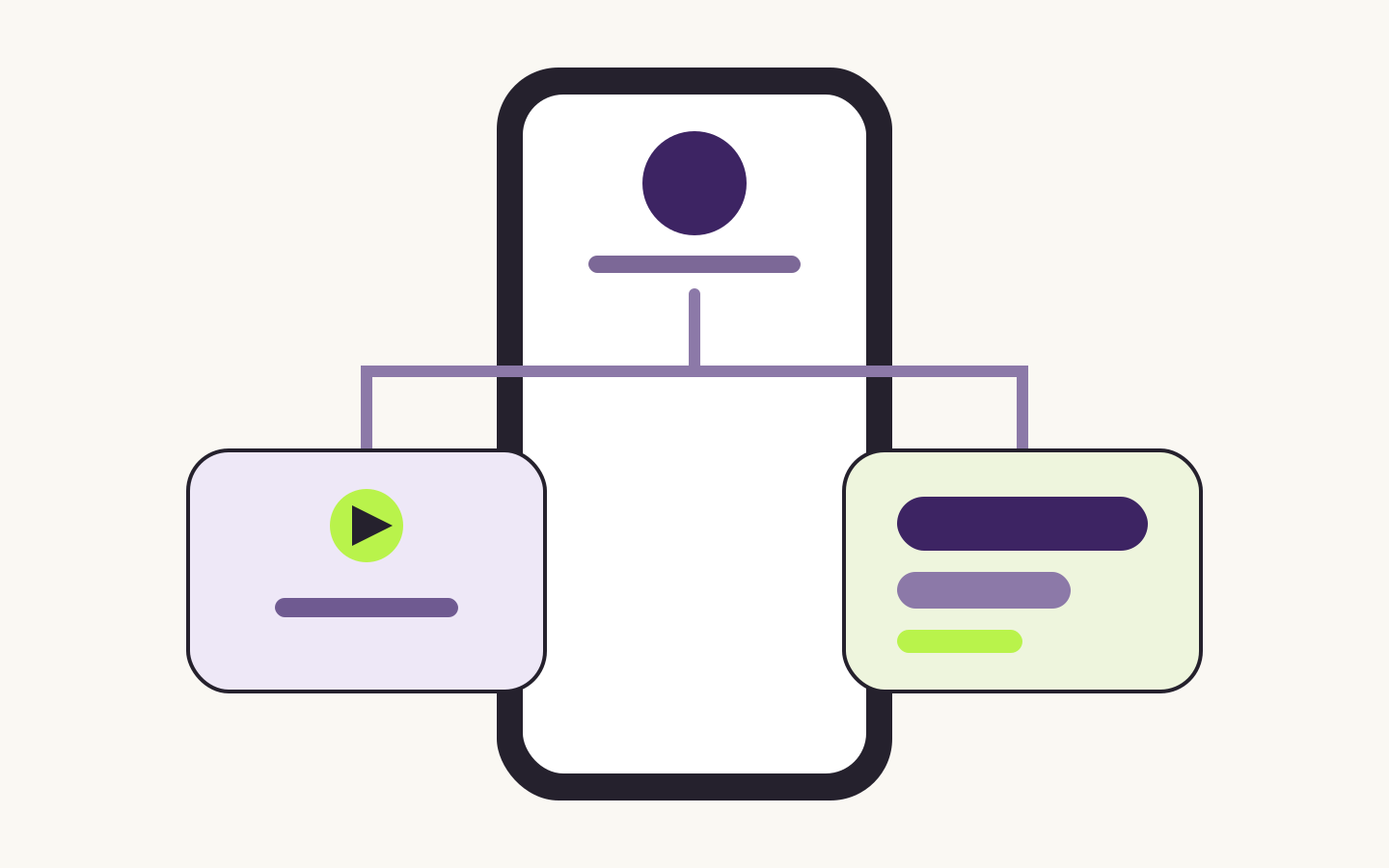
Two clearly labelled routes let followers continue with the content while brand teams reach portfolio and inquiry information.
Open with a precise creator statement
“UGC creator” is too broad on its own. The first line should explain the work in terms a reviewer can compare with a brief. A useful statement names your subject area, typical format, and any real production constraint that affects fit.
For example: “English-language product demos and problem–solution videos for home and personal-care brands, filmed in a bright indoor setting.” This is more useful than “I make scroll-stopping content,” which makes a performance promise without showing what the creator actually produces.
Only state languages, locations, turnaround times, or specialist access that you can support. If availability changes frequently, keep it in the inquiry form or dated media kit rather than hard-coding it into the top of the page.
Select samples by the problem they solve
A portfolio is easier to review when each example demonstrates a different capability. Three versions of the same unboxing may look polished but reveal little about range. Choose samples that help a team answer specific questions: Can this creator explain a product, demonstrate it in use, deliver several hooks, or create a believable testimonial-style narrative?
Use a small selection such as:
| Sample role | What it should demonstrate | Useful label |
|---|---|---|
| Product demo | Clear use, framing, and sequence | Watch a 30-second product demo |
| Problem–solution | A concise hook and visible outcome | See a problem–solution concept |
| Voiceover | Scripting, pacing, and supporting shots | Watch a voiceover routine |
| Talking head | Delivery and on-camera presence | View a direct-to-camera sample |
Belink supports YouTube, TikTok, and Vimeo embeds, so a representative video can play on the page. Use direct links when a destination provides better captions, context, or playback. A thumbnail is not enough if the public video is private, region-restricted, removed, or requires an account the reviewer may not have.
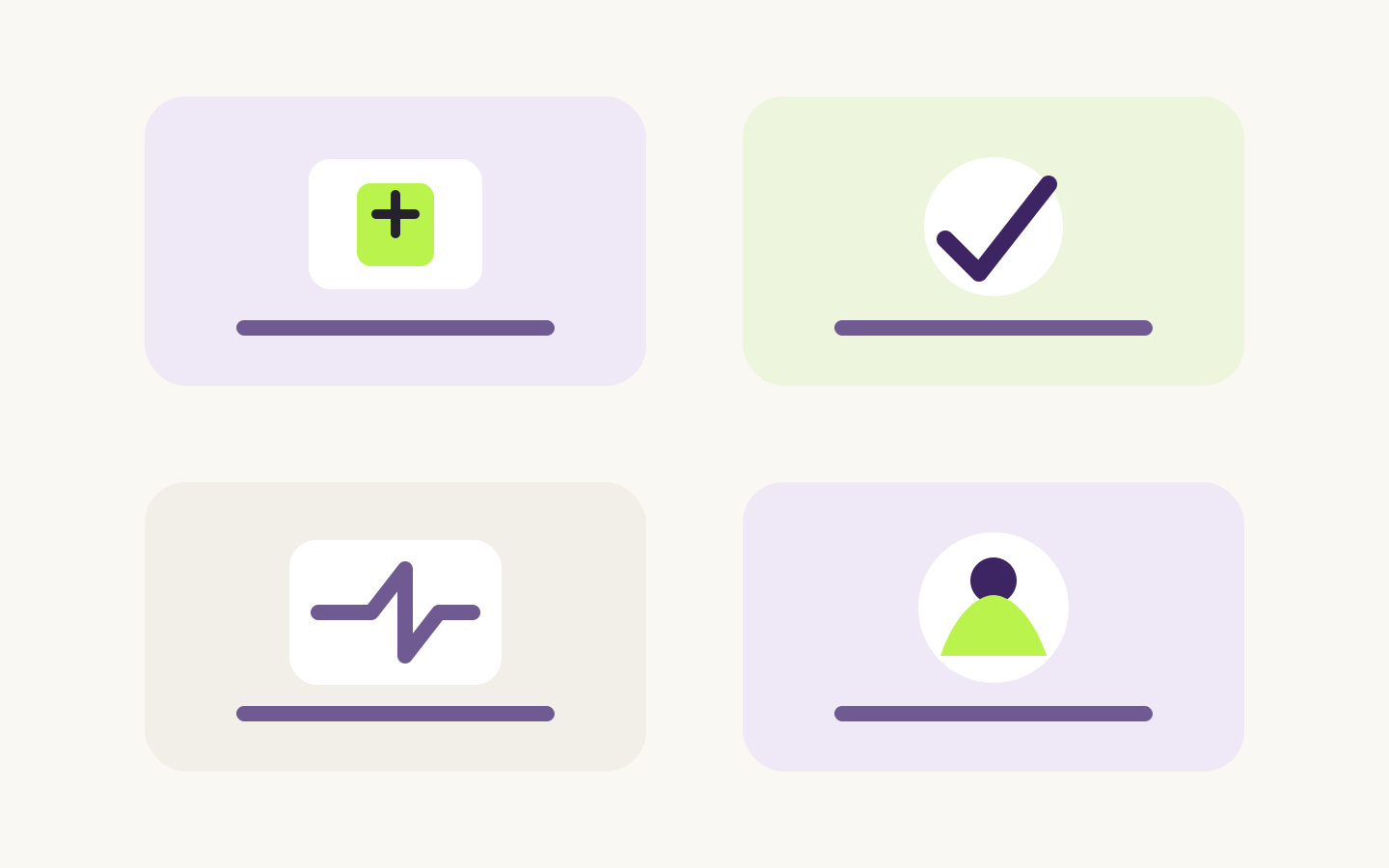
A compact range of sample roles communicates more than several near-identical executions.
Decide what belongs on the page and what belongs in a document
Keep stable, quickly scanned information on the public page: what you create, selected examples, working categories, and the inquiry route. Put details that need more context or regular revision in a media kit, rate card, or service document.
Belink can share PDFs and other documents, which is useful when a brand requests an attachment-style overview. Date the file and name it clearly—for example, “UGC services and portfolio — November 2026”—so a saved copy does not appear permanently current. If your document contains audience figures, specify the platform and reporting period rather than presenting a number with no date.
The Belink and Beacons comparison explains the difference between linking to an existing media kit and using a platform with dedicated creator-business tools. Choose the workflow you will actually update; a sophisticated kit with stale samples and figures is less useful than a modest, current one.
Rates need editorial judgment. Publishing a starting price can filter inquiries, but a single number may be misleading when usage, deliverables, revisions, paid-media terms, or production requirements vary. If public pricing does not represent the work accurately, explain what information you need before quoting instead of posting an artificial universal rate.
Ask for a usable brief, not a vague message
“DM for collabs” moves the work into an unstructured inbox. A dedicated inquiry form can ask for the brand or agency, product, intended deliverables, target dates, market, distribution plan, and a reply address. Add budget only if it is genuinely part of your qualification process.
Explain what happens next without promising an instant response. A label such as “Share your UGC brief” is clearer than “Work with me” because it tells the reviewer what the next page requests. If you use email, use a specific subject suggestion and a professional address you actively monitor.
Do not collect information you do not need at this stage. The initial page is for fit and routing, not contracts, private campaign assets, identity documents, payment details, or final usage terms. Those belong in the appropriate private workflow after both sides decide to continue.
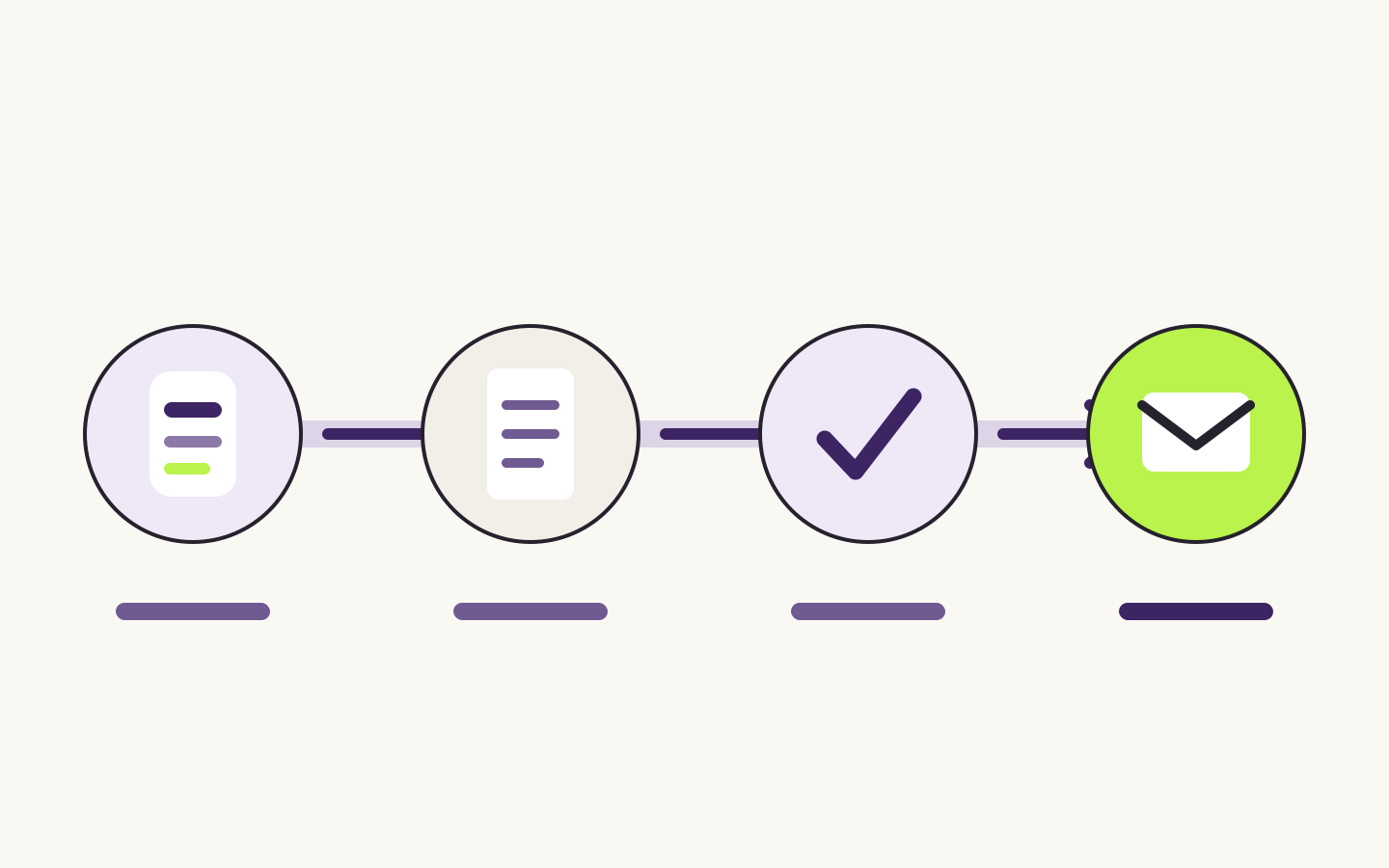
The public page qualifies the inquiry; detailed negotiation and private materials follow in the appropriate business process.
Make proof specific and truthful
Proof can include a named public collaboration, a permitted sample, a concise testimonial you have approval to publish, or a dated audience snapshot when audience reach is relevant to the service. Do not imply that sample products are clients, crop out disclosures, or publish private campaign results.
When a post includes a material connection such as payment or a free product, the US Federal Trade Commission’s current disclosure guidance for influencers says the relationship should be disclosed clearly with the endorsement. A generic partnerships button elsewhere on the page does not replace a disclosure on the sponsored content itself.
Button labels should also make sense out of context. The W3C guidance on understanding link purpose is a useful test: “Watch skincare demo” is more informative than “View,” especially for someone scanning several samples or using assistive technology.
Measure the handoff without inventing outcomes
Belink click analytics can show that visitors opened the page and selected a portfolio, document, or inquiry link. Those clicks help identify which routes receive attention, but they do not prove that a brief was submitted, accepted, or converted into paid work.
Review the journey in three systems:
- Belink for page views and outbound link clicks;
- the form or inbox for complete, relevant inquiries; and
- your private project records for accepted briefs and completed work.
Use the same date range when comparing stages. The link-in-bio analytics guide explains why page attention, outbound clicks, and business outcomes must stay separate. With small totals, keep the underlying counts beside any percentage so one inquiry does not become an exaggerated growth claim.
Run a monthly portfolio review
Test the public path from the real social profile on a phone while signed out. Play every selected sample, open the document, submit a safe test brief, and confirm where the reply arrives. Remove expired availability, unavailable services, old promotions, and samples you no longer want to sell.
Then ask one harder question: does the first sample still represent the work you want next? Portfolio order is a business decision, not a chronological archive. The guide to organizing bio-page links can help separate permanent routes from temporary campaign links without burying the main inquiry path.
Frequently asked questions
What should a UGC creator put first in a link in bio?
Put the destination promised by the current post first for followers. Keep a clearly labelled portfolio and partnership route near the top for brand visitors. Inside that route, lead with a precise creator statement and a small set of relevant samples.
How many UGC samples should a bio page show?
Start with three to six strong, distinct examples. Each should demonstrate a different format, category, or production skill. Add more only when the grouping helps a reviewer reach the right evidence faster.
Should UGC creators publish their rates?
Publish a starting price only when it accurately represents the service and you can state what it includes. When usage, revisions, deliverables, or production requirements materially change the quote, request those details before pricing.
Can Belink host a UGC media kit?
Belink can share a PDF or document and can route visitors to an existing media-kit page. Keep the file dated, accessible, and current, and avoid presenting time-sensitive figures without a reporting period.
Can Belink measure brand inquiries?
Belink can measure page views and outbound link clicks. The form, email, or booking system confirms whether an inquiry was completed, and your project records confirm whether it became work.
How often should a UGC portfolio page be updated?
Review it monthly and whenever your services, availability, rates, best samples, document, or inquiry route changes. Test every public destination while signed out before sharing the page with a brand.